






























SHAH ALAM – The reported figure of 688 temples built without authorization in Selangor has not yet been finalized and is currently undergoing a rigorous verification process by relevant authorities.
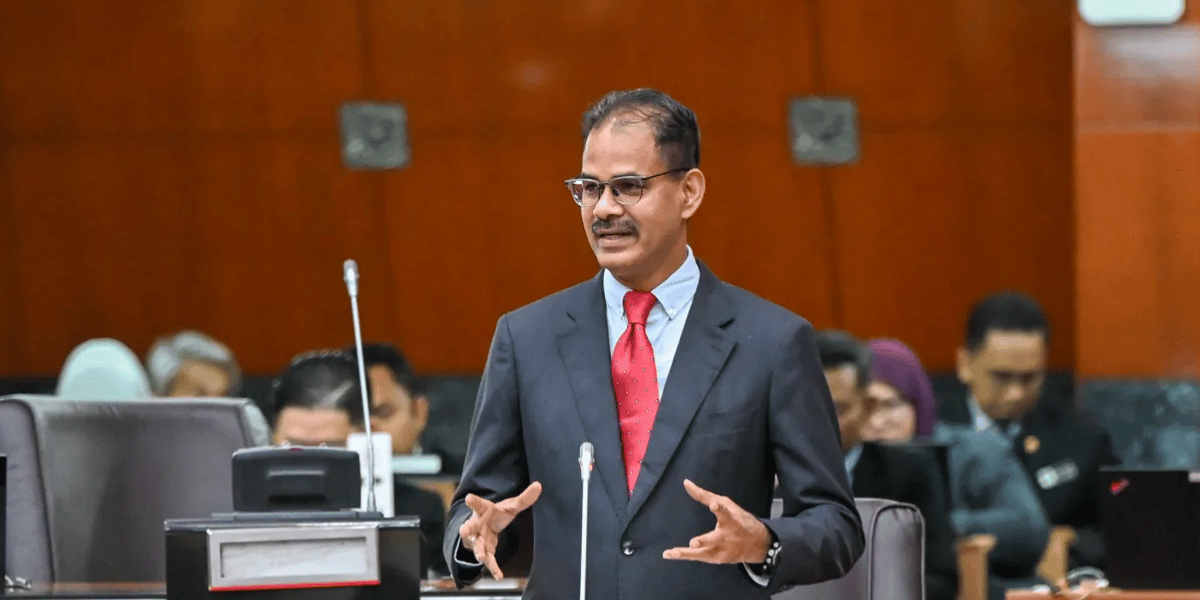
V. Papparaidu, Co-Chairman of the Special Committee for Buddhism, Christianity, Hinduism, Sikhism, and Taoism (LIMAS), stated that while the initial figure was based on local authority records, a detailed audit is now being conducted by the Malaysian Public Works Department (JKR). This review specifically targets houses of worship built on road reserves or land under the department’s jurisdiction.
“This figure is likely to change once the verification process is complete. The current data also includes smaller structures, such as roadside prayer shrines, which are categorized as small temples,” he said in a statement.
Papparaidu explained that a reclassification exercise is underway to ensure data accuracy. The state also plans to hold engagement sessions with stakeholders, including religious associations, to find a more structured and amicable approach to the issue. He added that further discussions would involve LIMAS committee members, such as G. Gunaraj, if necessary.
As a State Executive Councilor, Papparaidu emphasized his commitment to ensuring that all presented facts are accurate, transparent, and handled with due diligence. The issue has recently drawn significant attention from various stakeholders, including national temple management bodies.
During a State Assembly sitting last week, Papparaidu disclosed that 433 temples were identified as built without permission on government land, while another 255 were on private land. According to district and land office inventories as of April 16, Kuala Selangor holds the highest number of legally registered temples with 103, followed by Petaling (55) and Klang (32).
Regarding unauthorized construction, the Petaling district recorded the highest number of structures on government land (96), while Kuala Selangor recorded the highest number of unauthorized builds on private land (126). All data remains subject to a final audit before being officially concluded by the state authorities. -MalayaDailyToday