






























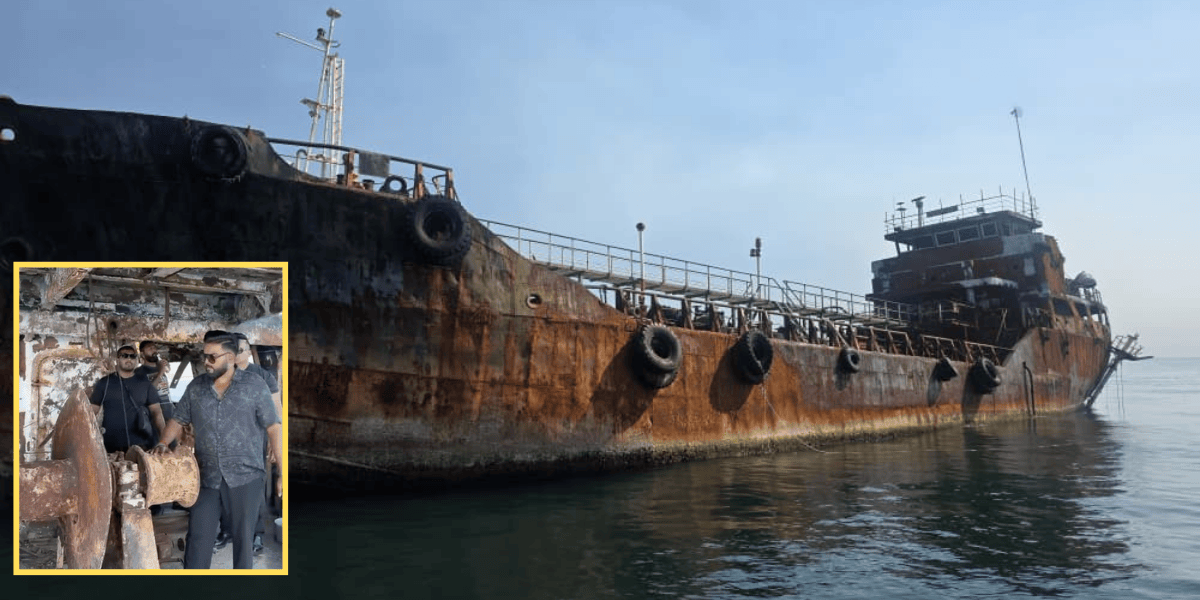


KUALA LUMPUR – What once drifted silently through Terengganu waters as a mystery vessel is now being recast as an unlikely symbol of opportunity and sustainability.

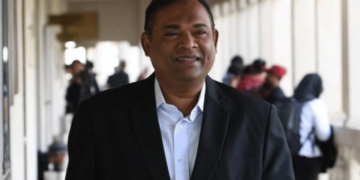
For businessman Dato AK Thevaraja, the so-called “ghost ship” was never a relic of fear, but a floating vault of untapped value.
Acquired through an official auction, the abandoned vessel which captured national attention after being found drifting crewless near oil platforms last August is now set for a second life.
Not as a ship, but as raw material feeding Malaysia’s growing recycling ecosystem.
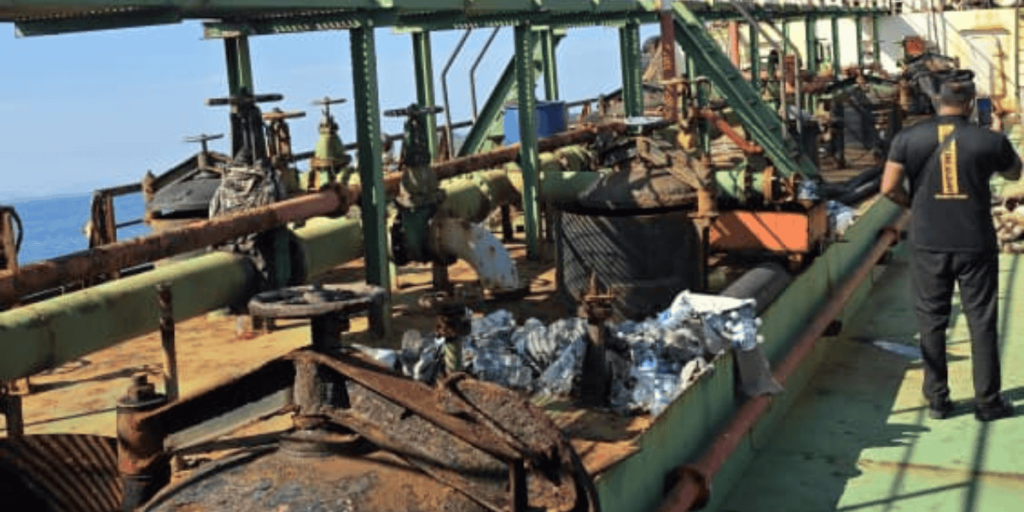
“Ships like this carry immense material value,” Thevaraja said, pointing to the dense network of metals, wiring and electrical systems embedded within its structure.
“Steel, aluminium, copper these aren’t just scraps. They’re resources waiting to be reborn.”

Where others saw a maritime anomaly, he saw a supply chain.
The move reflects more than a business decision. It is a calculated step into the circular economy one where waste is reimagined, and old assets are not discarded, but redesigned into new beginnings.
According to Thevaraja, vessels of this scale hold layers of recoverable materials, from heavy structural metals to intricate electronic components all of which can be processed through both metal recycling and e-waste streams.
“Nothing here is truly wasted if managed correctly,” he said. “We’re not just dismantling a ship, we’re recovering value, reducing industrial waste, and easing pressure on natural resources.”
The transformation begins with a comprehensive technical assessment. Every inch of the vessel will be examined to determine what can be salvaged, reused or reprocessed.
Beyond its steel frame, the ship is expected to house cables, systems and equipment that can be redirected into Malaysia’s electronic waste management sector.
It’s a stark contrast to how the story began.
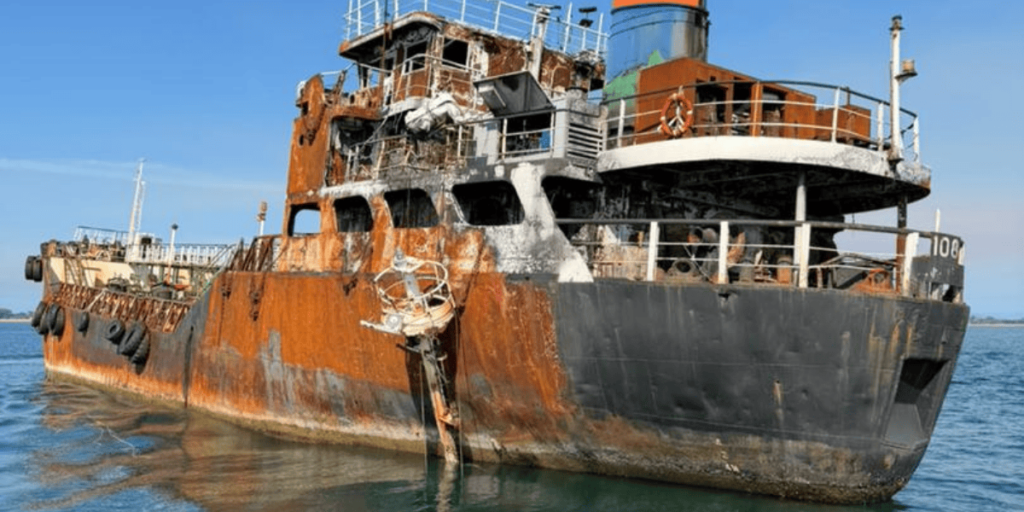
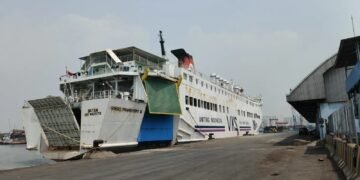
In August last year, the vessel triggered alarm when it was spotted drifting without crew near oil rigs off Terengganu raising concerns over maritime safety and operational risks.
A special operation by the Malaysian Maritime Enforcement Agency eventually secured the ship and towed it to Kemaman.
What followed was public fascination and a nickname that stuck: the “ghost ship”.
But for Thevaraja, the narrative was never about mystery. It was about missed potential.
Malaysia’s recycling industry, he believes, stands at a turning point. With rising awareness around environmental sustainability, industries are being pushed to rethink how resources are consumed and more importantly, how they are recovered.
“Every old asset like ships, machinery, industrial structures carries value,”
“If we manage them properly, they don’t just generate economic returns. They reduce environmental harm,” he said.
In a world grappling with resource depletion and industrial waste, such thinking is gaining urgency.
Recycling metals like steel and copper not only reduces the need for mining, but also lowers energy consumption and carbon emissions tied to production.
For Thevaraja, this is where business meets responsibility.
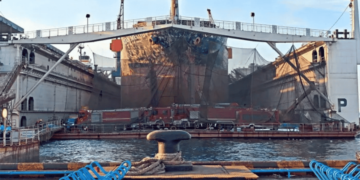
His team is now preparing to dismantle and process the vessel under strict safety and environmental standards, ensuring that the transformation is not only profitable, but compliant and sustainable.
Because in the end, the ghost ship was never really empty.
It was simply waiting for someone to see what it could become. -MalayaDailyToday