






























PUTRAJAYA – Malaysia’s latest push to improve energy efficiency could generate RM85 billion in net energy savings and attract RM36 billion in private investment over the next decade, as the country accelerates its transition towards a greener economy.
The Ministry of Energy Transition and Water Transformation (PETRA) said the National Energy Efficiency Policy and Action Plan 2026-2035 (NEEAP 2.0) is also expected to create approximately 29,000 new jobs.
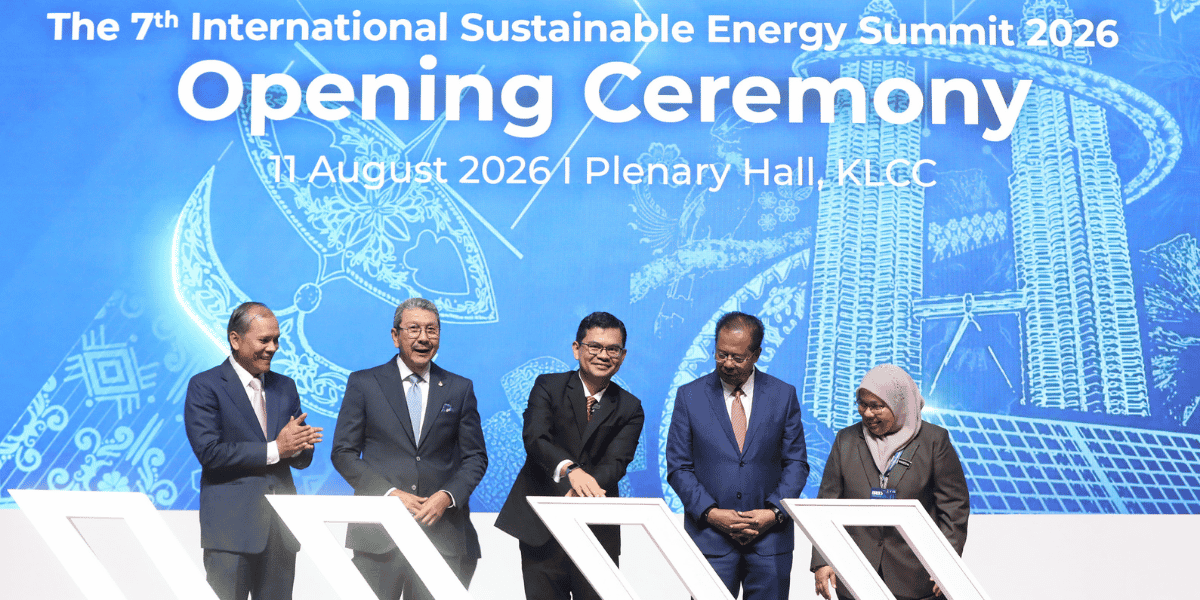
The plan was launched in conjunction with the opening of the 7th International Sustainable Energy Summit (ISES) and will serve as one of the country’s key instruments in pursuing its net-zero emissions aspiration by 2050.
Under NEEAP 2.0, Malaysia is targeting an 11.6 per cent improvement in electrical and thermal energy efficiency against the Business-As-Usual scenario.
This translates into an estimated cumulative energy saving of 815,000 terajoules (TJ) by 2035.
To illustrate the scale of the target, PETRA said the projected savings would be enough to meet the entire electricity supply requirements of Peninsular Malaysia for almost two years.
The ministry said the new policy would expand energy-efficiency practices across the industrial, commercial and domestic sectors, with particular emphasis on areas capable of delivering significant economic impact.
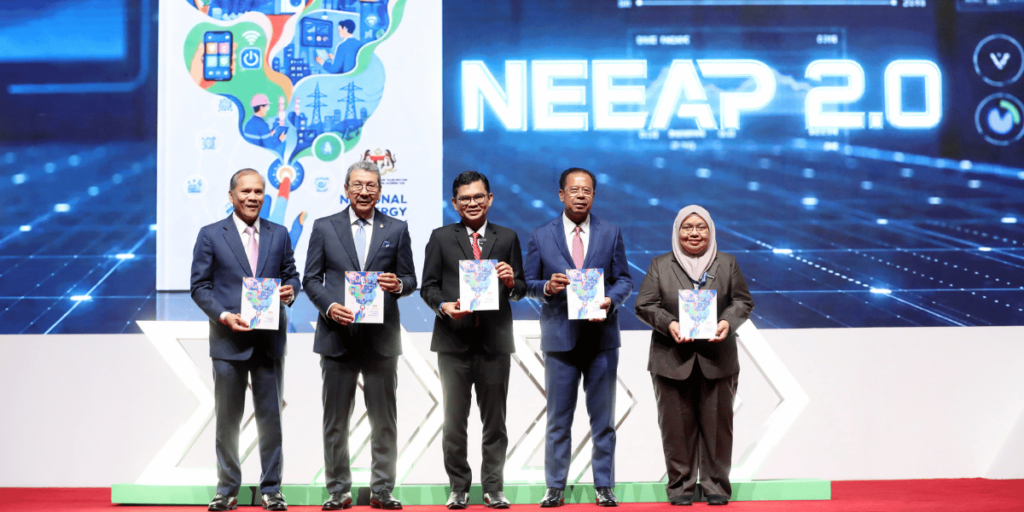
The initiative builds on the achievements of the previous national energy efficiency action plan while widening participation beyond major industries to businesses and households.
Apart from lowering energy consumption and costs, NEEAP 2.0 is expected to strengthen Malaysia’s green economy ecosystem by stimulating demand for energy-efficient technologies, services and investments.
Its implementation is projected to reduce carbon emissions by the equivalent of 26 million tonnes of carbon dioxide (tCO₂eq) by 2035.
PETRA said improving the way energy is consumed would be an important part of Malaysia’s broader energy transition, alongside efforts to ensure the country’s future energy requirements remain sustainable.
The policy also seeks to embed energy efficiency as a wider national practice rather than treating it solely as an industrial or environmental initiative.
According to the ministry, participation across different sectors and levels of society will be crucial in ensuring that economic growth can continue while energy resources are used more efficiently.
NEEAP 2.0 forms part of the government’s broader Malaysia Madani agenda to promote efficient and sustainable energy use while supporting public well-being, low-carbon development and the long-term sustainability of the country’s energy resources. -MalayaDailyToday