











































AMPANG – A patient walks into a clinic with a fever, a child in tow, or perhaps a pain that has been getting worse for days.
But before reaching the consultation room, another calculation may already be running through the patient’s mind; how much is this going to cost?
For families trying to stretch every ringgit until the end of the month, an unexpected medical bill can be more than an inconvenience.
It can mean cutting back on groceries, delaying another payment or dipping into money set aside for the children.
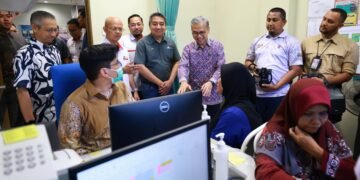
It is against this everyday reality that Klinik Seri Cahaya has introduced a ‘pay as you can’ approach, offering patients facing financial difficulties some flexibility in settling their medical expenses according to their circumstances.
A spokesperson for the clinic said the initiative stemmed from a simple observation: while falling sick is something nobody plans for, the financial consequences of falling sick can be difficult for some families to absorb.
The idea is particularly relevant at a time when households are already dealing with higher costs for food, housing, transportation and other basic necessities.
For someone with a comfortable income, a medical bill may be manageable. For another person living from one pay cheque to the next, the same amount could represent money needed elsewhere that very week.
That is the gap the clinic is attempting to address.
Rather than treating affordability as a separate issue from healthcare, the pay as you can concept allows financial circumstances to be taken into consideration when dealing with patients who genuinely need assistance.
The clinic stressed that the initiative does not mean patients are free to determine their own charges or that all treatment is provided without payment.
Assistance remains subject to the clinic’s terms and conditions and is considered according to individual circumstances.
But the philosophy behind it is straightforward, a lack of money at a particular moment should not necessarily mean a person walks away without seeking medical attention.
There is also a practical reason for such an approach.
People often postpone seeing a doctor when they are worried about cost, particularly when the illness initially appears manageable.
A cough, persistent pain or minor infection may be brushed aside for another few days because other household expenses appear more urgent.
Sometimes that delay ends when the condition becomes harder to ignore.
For families, the consequences can then go beyond a larger medical bill. A sick parent may be unable to work.
A child who requires repeated treatment may mean additional transport and medication expenses. A family member who is the main breadwinner may have to take time off, creating a second financial problem.
In that sense, access to healthcare is not simply about having a clinic nearby.
It is also about whether a person feels financially able to walk through its doors.
Klinik Seri Cahaya’s approach attempts to tackle that less visible barrier by giving patients experiencing financial hardship another avenue to seek treatment.
The concept also puts a human element into what can often become a very transactional experience in healthcare.
Instead of the first concern being the size of the bill, the emphasis is placed on understanding the patient’s immediate situation and finding a practical way forward within the clinic’s framework.
The clinic, located in Pandan Cahaya, Ampang, also operates around the clock, giving residents access to medical services beyond conventional operating hours.
That can be particularly relevant for people who work shifts, parents who have children falling ill at night, or patients who cannot easily leave work during normal clinic hours.
Ultimately, pay as you can is not being presented as a solution to the wider problem of healthcare costs.
Rather, it is a small intervention aimed at one very specific problem what happens when someone needs treatment today, but their wallet says they should wait?
For Klinik Seri Cahaya, the answer is to create some room for those who genuinely need help, so that financial hardship does not automatically become another reason for putting healthcare on hold. -MalayaDailyToday