












































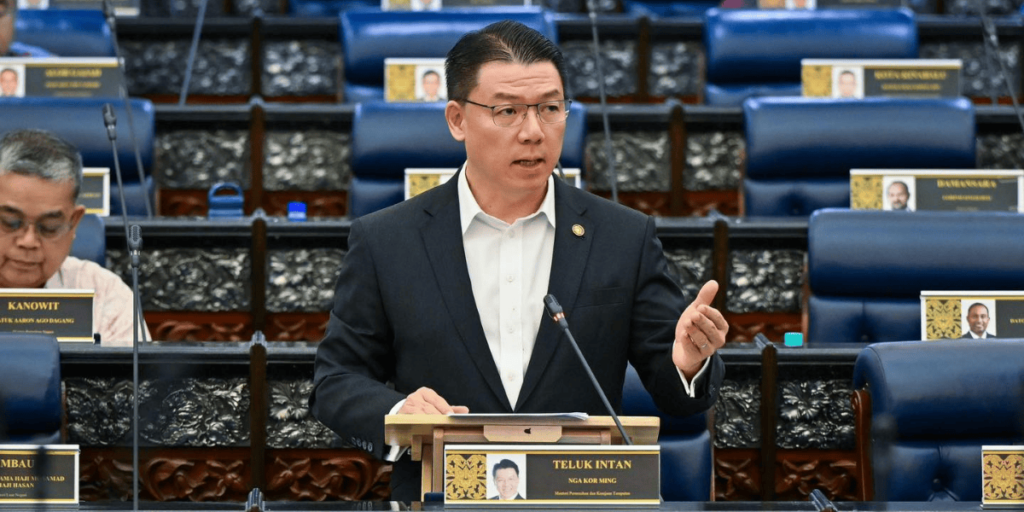
KUALA LUMPUR – The National Housing Rental Association (National Housing Rental Association, NHRA) has welcomed the announcement by Housing and Local Government Minister Nga Kor Ming that the Residential Tenancy Bill is expected to be tabled in Parliament this year.

NHRA chairman K. Prakash described the move as a long-awaited and crucial step towards addressing long-standing legal gaps and uncertainties in the country’s residential rental market.
He said the absence of a comprehensive legal framework over the years has left both tenants and landlords exposed to risks, contributing to persistent disputes and market imbalances.
“For far too long, the rental sector has operated without clear, fair and enforceable regulations.
“As a result, tenants are often vulnerable to unfair practices, while property owners face financial risks without adequate protection,” he said in a statement.
According to Prakash, the sector continues to face serious challenges, including unreasonable rent increases, disputes over security deposit refunds, rental arrears, property damage, unclear or inconsistent tenancy agreements, and evictions carried out without proper procedures.
“These issues directly affect the daily lives of ordinary people and undermine confidence in the rental market. A dedicated law is no longer optional, it is an urgent necessity,” he said.
He added that the proposed legislation must strike a fair and sustainable balance between protecting tenants’ rights and safeguarding the legitimate interests of landlords.
As part of the reform, Prakash stressed the importance of establishing a dedicated and fully functional Residential Tenancy Tribunal to ensure disputes can be resolved quickly, fairly and at low cost.
“Without an effective tribunal, this law risks becoming merely a policy statement on paper.
“The tribunal must be empowered to handle cases involving deposits, arrears, property damage, contract breaches and evictions in a structured, transparent and efficient manner,” he said.
He noted that lengthy and costly court processes often discourage both tenants and landlords from pursuing legal remedies, allowing conflicts to escalate and remain unresolved.
Prakash also emphasised that the proposed law should take into account broader social and environmental factors when determining rental standards and benchmarks.
He said aspects such as traffic congestion, population density, access to public transport and the availability of basic amenities should be reflected in rental pricing and regulatory guidelines.
“Rental rates should not be set arbitrarily. They must reflect the actual quality of life and level of comfort in a particular area,” he said.
“Neighbourhoods facing serious traffic congestion, high population density and limited facilities should reasonably have lower rental rates compared to areas with good infrastructure, accessibility and a more conducive living environment.”
He added that such an approach would promote fairness, discourage excessive profiteering and help ensure that housing remains affordable for middle- and lower-income groups.
At the same time, Prakash urged the Ministry of Housing and Local Government Malaysia to conduct a transparent and inclusive consultation process before finalising the bill.
He said meaningful engagement with tenants, landlords, industry players, legal experts and civil society groups was essential to ensure that the legislation is practical, enforceable and well balanced.
“We hope the voices of all stakeholders will be taken seriously. This law must protect everyone fairly and should not be seen as favouring one side over the other,” he said.
Prakash also called for clear implementation guidelines, public awareness campaigns and strong enforcement mechanisms to accompany the new legislation.
“A well-drafted act alone is not enough. There must be consistent enforcement, public education and institutional support to ensure its effectiveness and long-term credibility,” he said.
He described the government’s move to introduce the Residential Tenancy Bill as a positive sign that long-standing public concerns over rental issues are finally being addressed.
“This development reflects a growing recognition of the challenges faced by ordinary tenants and responsible landlords. It shows that these issues are now receiving serious attention at the policy level,” he said.
Prakash expressed confidence that, if properly implemented, the new law could help transform the country’s rental sector into a more transparent, stable and professional market.
“With the right framework in place, we can build a system that is fair, progressive and aligned with international best practices.
“This will benefit tenants, landlords and the wider housing ecosystem, while supporting sustainable national development,” he said. -MalayaDailyToday