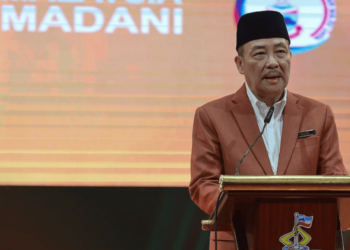



























KOTA KINABALU – Chief Minister Datuk Seri Panglima Hajiji Noor has directed that priority be given to urgent, high-impact projects—particularly in healthcare and education—to ensure faster delivery and immediate benefits for the people.

He said projects that can be implemented quickly, often referred to as “low-hanging fruit”, must be expedited without delay, in line with the emphasis by Prime Minister Datuk Seri Anwar Ibrahim.
“These projects must be executed efficiently, on schedule and with full integrity so that the rakyat can benefit without unnecessary delay.
“There is no reason for such projects to fall behind schedule or become ‘sick’, often due to recurring local issues such as land ownership and utility constraints,” he said.
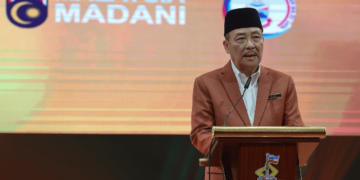
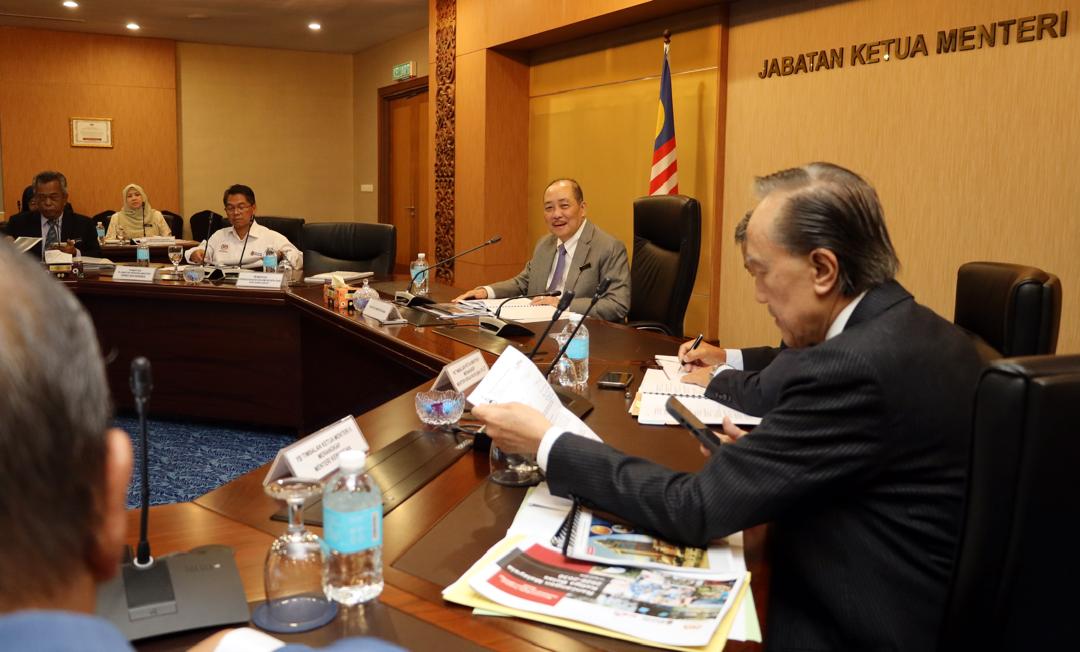
Hajiji was speaking while chairing the State Development Action Council (MTPNg) meeting at Menara Kinabalu here today.
According to him, Sabah has been allocated RM6.59 billion under the 13th Malaysia Plan (RMK13), covering 1,233 development projects and programmes reflecting the government’s continued commitment to driving the state’s growth in line with the Madani agenda and Sabah Maju Jaya (SMJ) 2.0 roadmap.
He stressed that closer and more frequent monitoring of project implementation is crucial to prevent delays that could lead to cost overruns and inefficiencies.
“Any implementation issues must be promptly escalated to the relevant federal agencies or the state government, particularly those involving funding, land and utilities,” he said.
Hajiji added that the Hardcore Poverty Eradication Programme for Sabah in 2026 will be intensified as part of the broader SMJ agenda, aimed at ensuring no one is left behind in the state’s development.
The state government has also tabled a record-high budget of RM12.02 billion for 2026, with a significant portion channelled towards basic infrastructure such as water supply, electricity and road networks to stimulate economic activity across districts.
“These infrastructure projects are critical in unlocking economic potential and improving the quality of life for Sabahans,” he said.
He added that targeted initiatives, including the Sentuhan Kasih Rakyat (SYUKUR) programme, are being implemented to support vulnerable groups and enhance social protection.
On the SMJ 2.0 (2026–2030) development plan, Hajiji said the state will continue to focus on three key sectors which is agriculture, industry and tourism while strengthening human capital development and overall wellbeing.
“The state government takes project delays seriously as they not only disrupt implementation but also increase costs and ultimately burden public finances,” he said, urging all relevant agencies to remain committed to resolving bottlenecks, particularly for projects that can deliver immediate impact to the people. -MalayaDailyToday