

























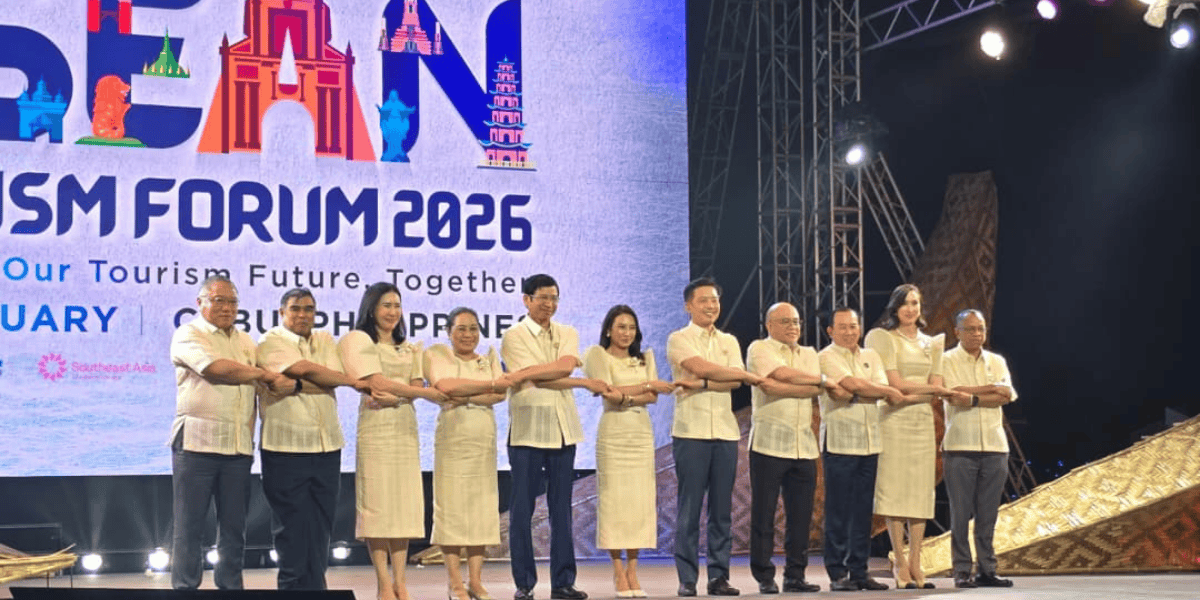

CEBU – Malaysia has reaffirmed its full support for the ASEAN Tourism Strategic Plan (ATSP) 2026–2030, pledging active collaboration with regional partners to build a more sustainable and resilient tourism sector.

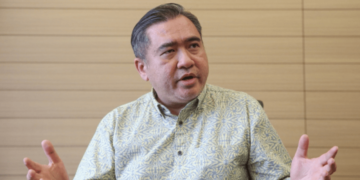
Tourism, Arts and Culture Minister Datuk Seri Tiong King Sing said Malaysia is ready to work closely with all ASEAN Member States to translate the plan into concrete action.
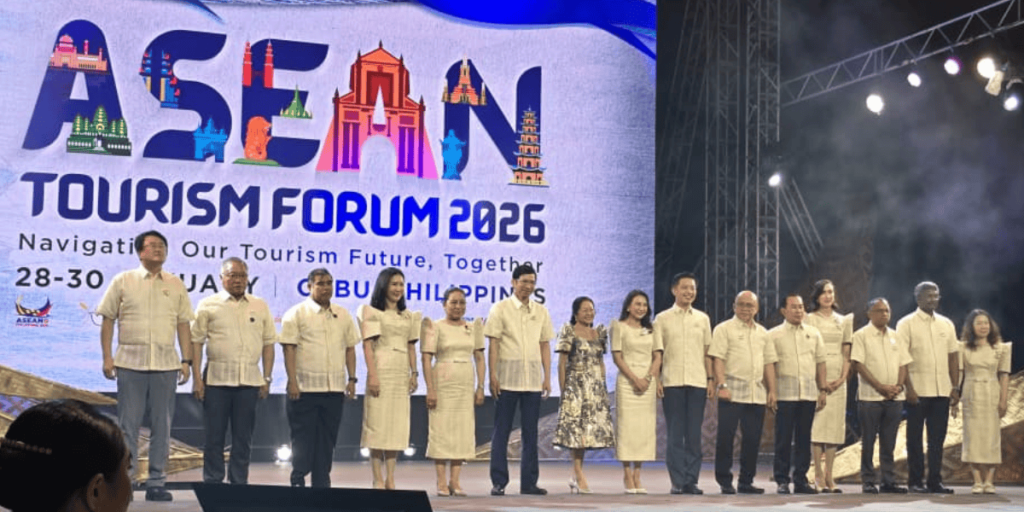
Speaking after attending the opening of the ASEAN Tourism Forum (ATF) 2026 here last night, Tiong described the event as a strong reminder that tourism is ultimately about people and culture.
“The performances showcasing Filipino music and dance reflected the richness of ASEAN’s cultural heritage. At its heart, tourism connects communities and preserves traditions,” he said.
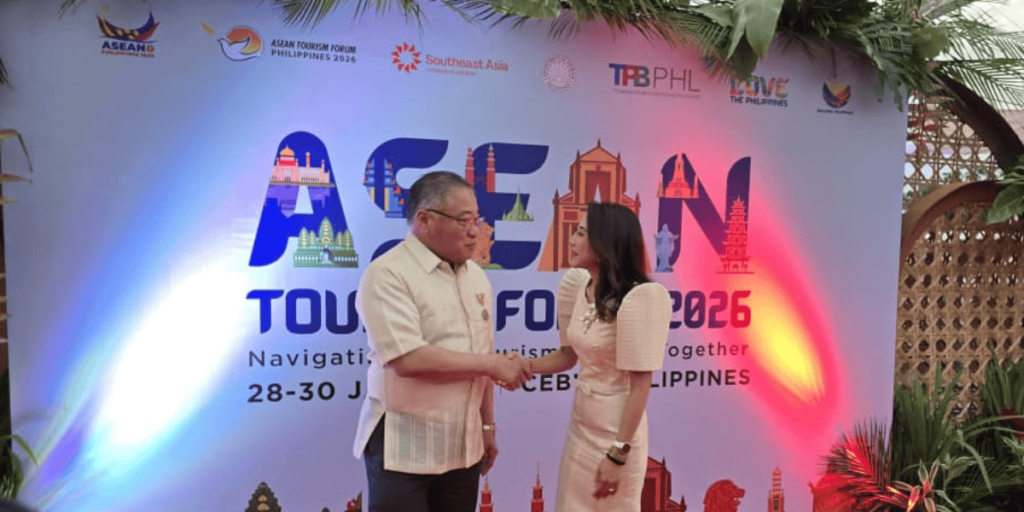
Over the next two days, he said Malaysia looks forward to strengthening cooperation with regional counterparts while respecting ASEAN’s cultural diversity in shaping a more meaningful and sustainable future for tourism.
Tiong noted that the ATSP 2026–2030 provides ASEAN with a clear direction to strengthen the sector and prepare for future challenges.
“The ATSP aligns closely with Malaysia’s National Tourism Policy, particularly in the areas of sustainable tourism, environmental protection and cultural preservation. Sustainability is not optional — it is a necessity,” he stressed.
He added that tourism growth must deliver tangible benefits to local communities and not come at the expense of the environment or cultural identity.
Malaysia, he said, will actively contribute to ATSP initiatives focusing on sustainable destinations, green tourism standards and community-based tourism.
“These are areas where ASEAN can grow together and establish strong regional benchmarks,” he said.
To further strengthen the regional tourism ecosystem, Tiong outlined four priority areas — enhanced knowledge-sharing platforms such as the ASEAN Tourism Resources Management and Development Network; more joint and cross-border projects including the Malaysia–Thailand ASEAN Self-Drive Tourism initiative and the ASEAN Heritage Train; improved data collection and monitoring systems to support better policymaking; and stronger engagement with the private sector as a driver of investment and innovation.
“The success of the ATSP depends on strong partnerships and ASEAN unity. By improving connectivity, infrastructure and promoting ASEAN as one integrated destination, we can make travel across the region more seamless and attractive,” he said.
Tiong expressed confidence that through collective effort, ASEAN can build a tourism sector that is sustainable, inclusive and resilient for the future. -MalayaDailyToday